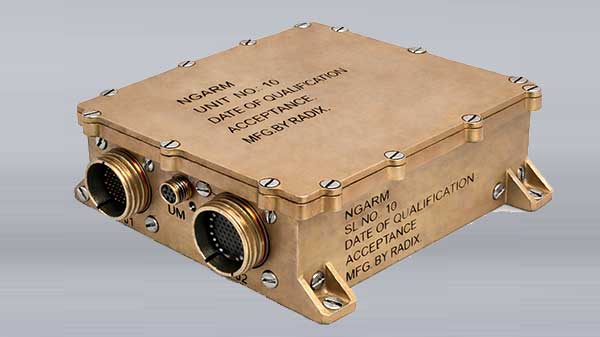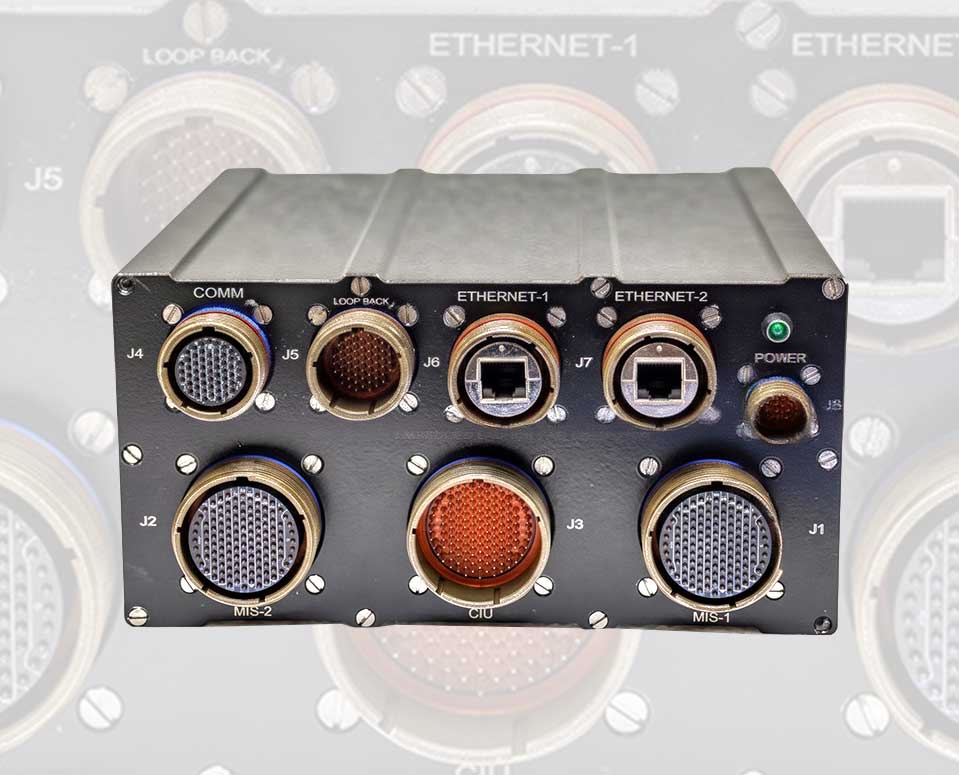
EMBEDDED LAUNCH PAD COMPUTER (ELPC)

A vital component of a Surface-to-Air Missile (SAM) system, controlling and coordinating all pre-launch and launch operations.

EMBEDDED LAUNCH PAD COMPUTER (ELPC)

Technical Overview

The Embedded Launch Pad Computer (ELPC) is a vital component of a Surface-to-Air Missile (SAM) system, responsible for controlling and coordinating all pre-launch and launch operations. It performs critical functions such as executing pre-launch health checks, controlling the launch sequence, providing guidance and navigation commands, communicating with ground-based command and control systems, implementing safety interlocks, and recording operational data for post-launch analysis.

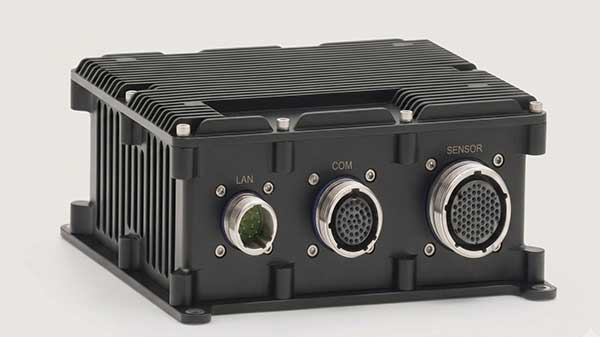
The ELPC is equipped with a wide range of on-board peripheral interfaces, including Analog-to-Digital Converters (ADCs), Digital-to-Analog Converters (DACs), timers, MIL-STD-1553B, Ethernet, Avionics Full-Duplex Switched Ethernet (AFDX), and Universal Asynchronous Receiver/Transmitters (UARTs). These interfaces enable seamless communication with various sensors, actuators, guidance units, and other electronic subsystems of the missile.

By integrating high-speed processing, multiple communication interfaces, and real-time control capabilities, the ELPC ensures reliable system operation, accurate missile launch execution, and efficient coordination between the launch platform and the missile throughout the pre-launch phase.
Key Capabilities

Real-Time Processing: Executes critical launch operations with high speed and deterministic performance.

Reliable Launch Control: Ensures accurate execution of pre-launch checks and launch sequences.

Multiple Communication Interfaces: Supports interfaces such as MIL-STD-1553B, Ethernet, AFDX, UART, ADC, and DAC for seamless integration with missile subsystems.

Enhanced System Safety: Implements safety interlocks and fault detection mechanisms to prevent unauthorized or unsafe launches.

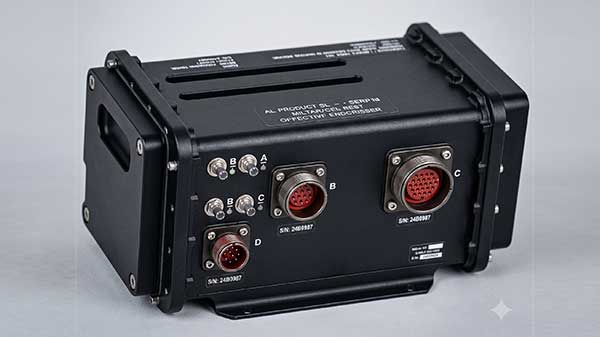
High Reliability: Designed to operate under harsh environmental conditions, including vibration, shock, and extreme temperatures.

Accurate Guidance Support: Provides navigation and guidance commands required during missile launch.

Data Logging: Records operational and diagnostic data for post-launch analysis, troubleshooting, and performance evaluation.

Modular and Scalable Design: Easily integrates with different missile systems and can be upgraded with additional peripherals.

Low Latency Communication: Enables fast and reliable data exchange between the launch platform, missile, and command systems.

Improved Mission Readiness: Automates system monitoring and diagnostics, reducing preparation time before launch.


Technical Specifications

Interfaces

ADC, DAC, timers, MIL-STD-1553B, Ethernet, AFDX, UART

Role

Pre-launch checks & launch sequencing.

Data logging

Operational & diagnostic recording.

Design

Modular and scalable.

Other products

8-Port-Ethernet-Switch

8-Port Ethernet Switch

A compact, high-performance networking device providing reliable data communication in embedded, industrial, aerospace and defense applications.

Landing-Gear-Controller

Landing Gear Controller (LGC)

A critical avionics subsystem responsible for controlling, monitoring and managing the safe extension and retraction of an aircraft's landing gear.

On-Board Computer

On-Board Computer (OBC)

The central processing and control unit for missile mission management, communication, guidance and system coordination — the primary missile-to-aircraft interface in the NGARM.